Understand the way your brain works.
nnneuro clarifies complex neuroscience by exploring experiments, phenomena, and cases, all while letting you drive the content with your own questions.
100% real science, in plain language everyone can follow.
“Understanding the brain shouldn’t require a degree. We make the most complex neuroscience accessible to everyone, everywhere.
— Muhammed Elhalil, Founder of nnneuro
The latest from nnneuro
Real neuroscience, written like a great magazine — not a textbook. Filter by what you’re curious about.
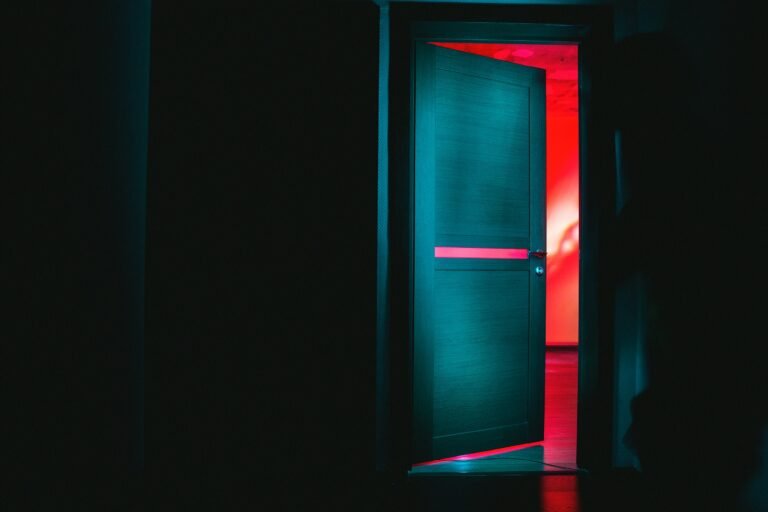
The Doorway Effect: Why You Forget Why You Walked In
You walk into a room and forget why. The doorway effect shows the brain uses doorways as “chapter breaks” that can flush a just-formed plan.
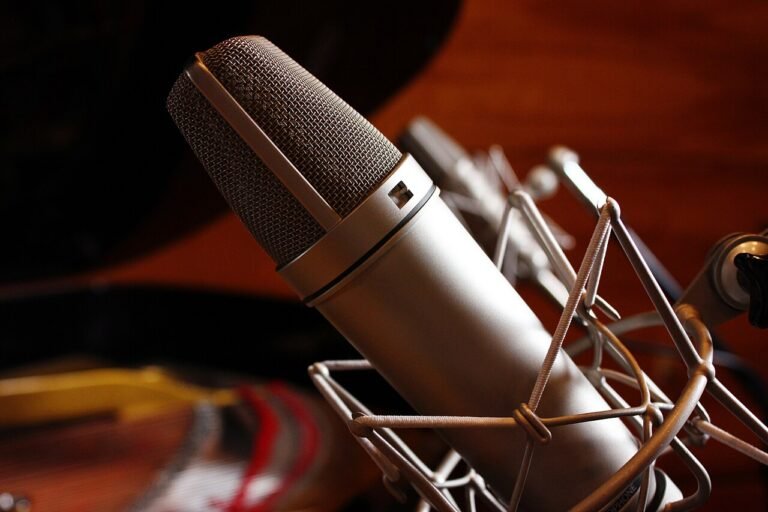
Why Your Recorded Voice Sounds So Wrong
Your recorded voice sounds thin and strange because you normally hear yourself through your skull too. The science of why you cringe at your own voice.

The Invisible Gorilla: Why You Miss What’s Right in Front of You
Ask people to count basketball passes and about half miss a gorilla strolling through the scene. The invisible gorilla reveals how attention blinds us.
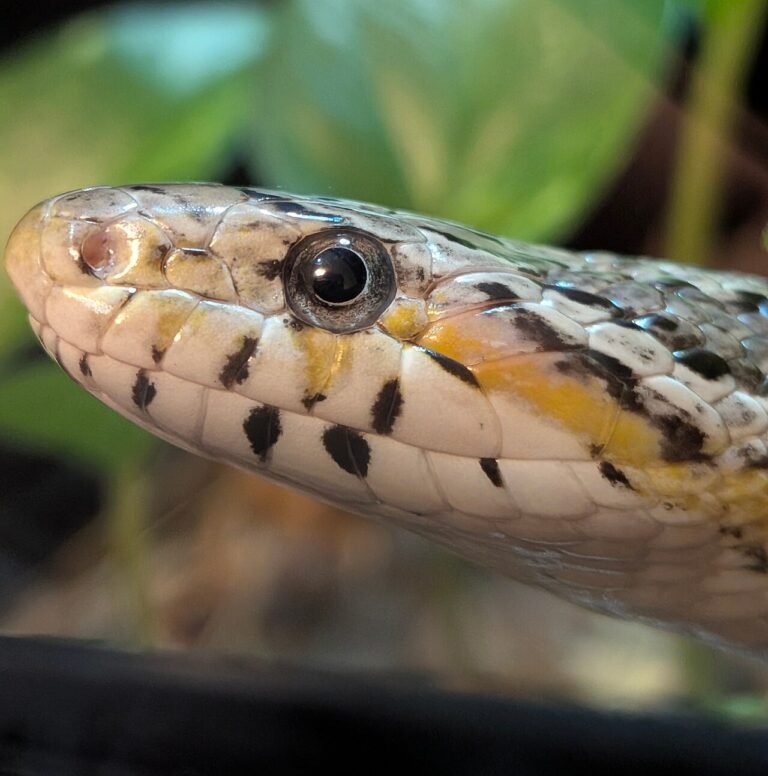
Patient S.M.: The Woman Who Feels No Fear
Patient S.M. lost her amygdala to a rare disease and stopped feeling fear — of snakes, horror films, even real danger. Her brain reveals where fear lives.

Why Yawning Is Contagious: The Surprising Brain Science
See someone yawn and you yawn too. Contagious yawning is linked to empathy and mirror neurons, and it is strongest with people we love. Here is the science.

Earworms: Why Songs Get Stuck in Your Head (and How to Stop Them)
An earworm is a song stuck on repeat in your mind. Around 90% of people get them weekly. Here is why songs get stuck and the science-backed tricks to stop them.

Libet’s Free Will Experiment: Does Your Brain Decide Before You Do?
Benjamin Libet found brain activity begins about 350 ms before we feel we have decided to move. Does it disprove free will? Here is the famous experiment explained.

The McGurk Effect: How Your Eyes Change What You Hear
In the McGurk effect, watching a mouth say one sound while hearing another makes you hear a third. It proves your brain blends sight and sound automatically.

Face Blindness (Prosopagnosia): When You Can’t Recognise Your Own Family
Prosopagnosia, or face blindness, makes it impossible to recognise faces, even a spouse or your own reflection. It is caused by one specialised brain region.

Misophonia: Why Chewing Sounds Fill You With Rage
For people with misophonia, chewing or tapping sounds trigger real fight-or-flight rage. Brain scans prove it is wiring, not oversensitivity. Here is the science.

Kim Peek: The Real ‘Rain Man’ Who Memorised 12,000 Books
Kim Peek, the real Rain Man, was born without a corpus callosum yet memorised around 12,000 books. His brain shows how genius and disability can coexist.

Clive Wearing: The Man Whose Memory Lasts Only Seconds
A common virus destroyed Clive Wearing's ability to form new memories, leaving him living in a 7-second window. His case reveals how memory really works.
Science you can actually understand
We built the platform we always wished existed: rigorous, but never intimidating.
Zero complex jargon
Every article is stripped of confusing terminology without dumbing down the science. Clarity and correctness, together.
For everybody
No degree required. Whether you’re 15 or 75, brand new or brushing up, our writing meets you exactly where you are.
A living platform
Not just articles — live Neuro Meetups and a community question board where you help shape what we cover next.
More than an article library
Three ways to satisfy your curiosity about the brain.
Articles
Deep-dive stories on cases, conditions, experiments and everyday brain phenomena.
Browse articles →Neuro Meetups
Free live online sessions every Sunday — talk about the brain and ask questions in real time.
Join a meetup →What’s Next?
Submit and upvote the questions you most want us to answer next.
Ask a question →Curiosity, finally satisfied
What readers say about learning neuroscience with nnneuro.
okay the dreams article genuinely broke my brain a little. I have wondered my whole life why they vanish and now I actually get it.
I teach A-level psych and the piece on H.M. is the clearest thing I have found on memory. my students actually read it.
asked a question on the board about deja vu and they actually wrote about it. felt heard.
what gets me is there is no fluff. just a real explanation that respects that you are an adult.
came for the migraine article and stayed for an hour. finally understand what is happening in my head.
checked a few claims here against my old uni notes and they hold up. that earns trust.
okay the dreams article genuinely broke my brain a little. I have wondered my whole life why they vanish and now I actually get it.
I teach A-level psych and the piece on H.M. is the clearest thing I have found on memory. my students actually read it.
asked a question on the board about deja vu and they actually wrote about it. felt heard.
what gets me is there is no fluff. just a real explanation that respects that you are an adult.
came for the migraine article and stayed for an hour. finally understand what is happening in my head.
checked a few claims here against my old uni notes and they hold up. that earns trust.
my 14yo read the phantom limb one for fun and then explained it to ME at dinner.
the anxiety piece put words to something I have felt for years without being preachy.
I am an ICU nurse so I am picky. they get the science right AND keep it readable.
love that they say this part is still debated instead of pretending everything is settled.
reads like a person wrote it, not a content farm.
the aphantasia article made me realise I do not picture things in my head.
my 14yo read the phantom limb one for fun and then explained it to ME at dinner.
the anxiety piece put words to something I have felt for years without being preachy.
I am an ICU nurse so I am picky. they get the science right AND keep it readable.
love that they say this part is still debated instead of pretending everything is settled.
reads like a person wrote it, not a content farm.
the aphantasia article made me realise I do not picture things in my head.

Made for everybody who is curious
nnneuro started from a simple frustration: neuroscience is one of the most fascinating subjects alive, yet almost everything written about it is locked behind jargon. We set out to change that.
- Every article reviewed for accuracy and plain-language clarity.
- No paywalls on curiosity — the platform is built for everyone.
- A community that helps decide what we explain next.
Your next favorite brain fact is one click away.
Dive into jargon-free neuroscience, ask the questions you’re curious about, and join a community that loves understanding the mind.