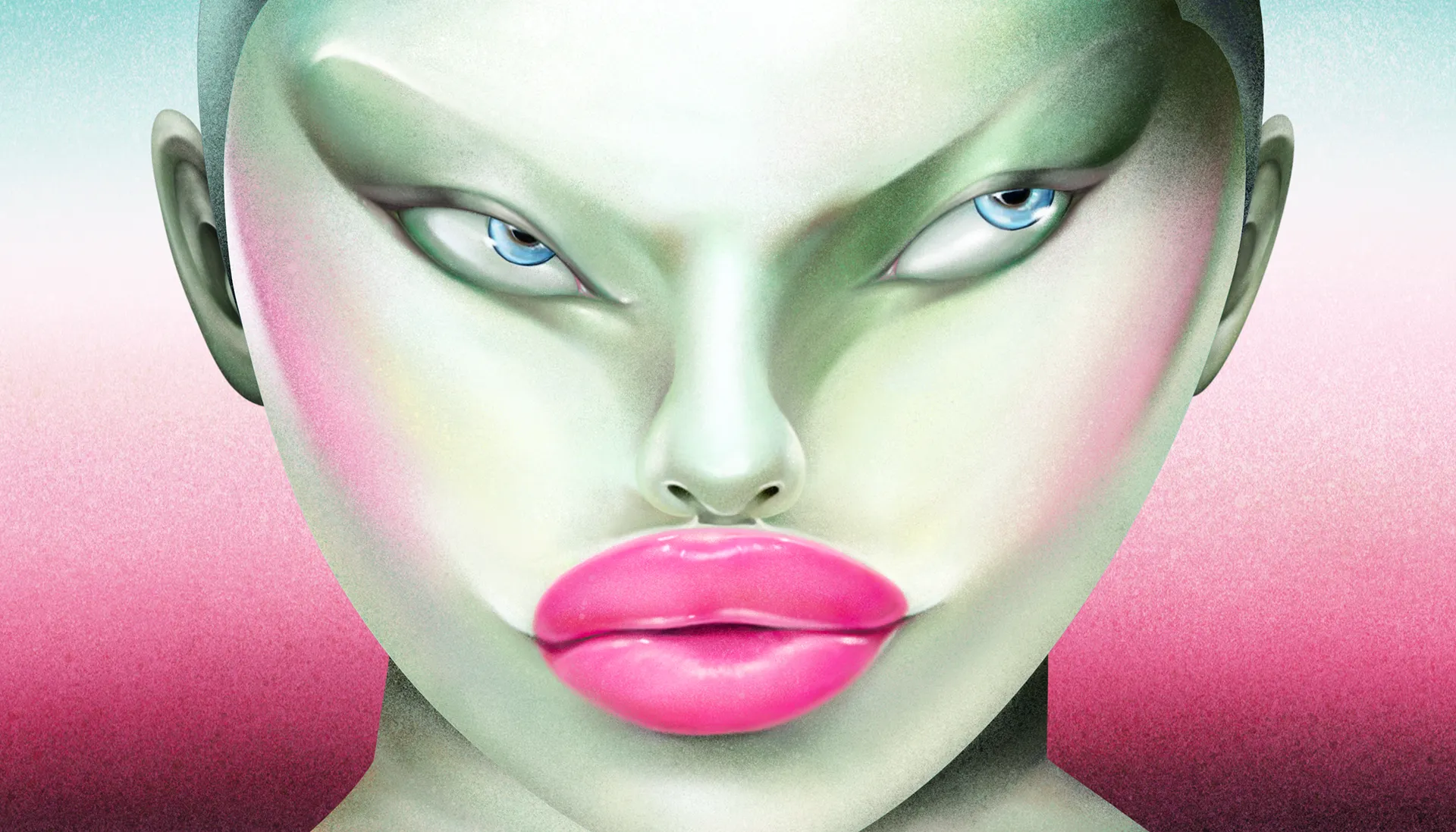
Botox is one of the most poisonous substances on Earth — and every year, millions of people happily let a doctor inject a little of it into their face. How did a poison that once killed people become a wrinkle-smoother and a real medicine? The story starts, oddly, with a spoiled sausage.

It started with a sausage
In early-1800s Germany, people kept dying after eating home-made sausage — drooping eyelids, blurred vision, muscles slowly giving out. A physician named Justinus Kerner traced it to a poison forming inside the sausages (he even tasted a little himself) and named it “sausage poison.” He guessed it might one day be turned into a medicine — about 180 years early.
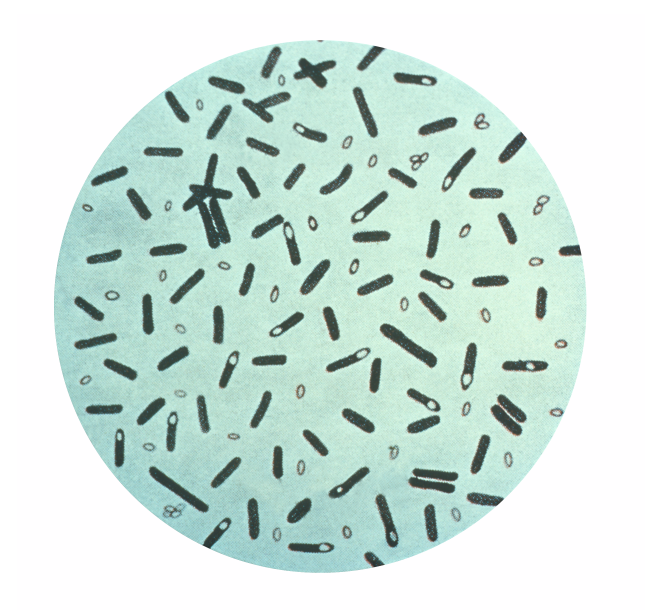
In 1895, the Belgian scientist Emile van Ermengem found the source: a bacterium, Clostridium botulinum, that makes the toxin only in sealed, airless places like cans and jars. The disease even took its name from botulus, Latin for sausage.
From poison to medicine
For over a century it was known only as a killer. Then, in the 1970s and 80s, San Francisco eye surgeon Alan Scott tried a tiny dose to relax an over-tight eye muscle and straighten crossed eyes without surgery. It worked, was approved in 1989, and the maker Allergan renamed it Botox.
The beauty use was a pure accident. In 1987, an eye doctor named Jean Carruthers noticed a patient’s frown lines vanish after treatment for eyelid spasms. She tried it on wrinkles, and by 2002 Botox Cosmetic was approved — soon becoming the most popular cosmetic procedure in the world.
One patient’s stray comment turned a treatment for crossed eyes into the world’s favourite cosmetic procedure.
How it actually works
Your muscles wait for orders. When a nerve wants a muscle to move, its tip releases a chemical messenger called acetylcholine across a tiny gap, and the muscle tightens. Botox acts like molecular scissors inside the nerve, cutting the machinery that releases that messenger. Nothing crosses the gap, so the muscle stays relaxed.

The dose is measured in billionths of a gram and stays where it’s placed, so it doesn’t spread. And it’s temporary — over three to four months the nerve grows fresh endings and the muscle wakes back up, which is why Botox has to be repeated.
It is still, gram for gram, one of the deadliest substances known — what changed was never the poison, only our control over the dose. From a spoiled sausage to a doctor’s syringe, it’s medicine turning disaster into a tool, much like the iron rod that taught us about Phineas Gage.
- Botox is botulinum toxin — the poison behind botulism — purified and diluted to a tiny, local dose.
- It relaxes a muscle by blocking acetylcholine, the nerve’s signal to move; the effect lasts three to four months.
- It began as “sausage poison” (Kerner, 1820s); the bacterium was found in 1895.
- An eye surgeon made it a medicine (1989); the wrinkle use was a lucky accident spotted in 1987.
So yes — Botox really is poison in your face. It just happens to be one of the most carefully measured poisons in medicine.
Images: sausages by Andy Li (CC0); Botox injection by Llydia (CC BY-SA 4.0); Clostridium botulinum from the CDC Public Health Image Library (#2107, public domain), all via Wikimedia Commons. Diagram by nnneuro.
References
- Erbguth FJ. Historical notes on botulism, Clostridium botulinum, botulinum toxin, and the therapeutic use of the toxin. Movement Disorders. 2004;19(S8):S2–S6.
- Erbguth FJ, Naumann M. Justinus Kerner (1786–1862) and the “sausage poison.” Neurology. 1999;53(8):1850–1853.
- Scott AB. Botulinum toxin injection into extraocular muscles as an alternative to strabismus surgery. Ophthalmology. 1980;87(10):1044–1049.
- Carruthers JD, Carruthers JA. Treatment of glabellar frown lines with C. botulinum-A exotoxin. J Dermatol Surg Oncol. 1992;18(1):17–21.
- Erbguth F. “Botulism: from pork sausages to Botox.” Hektoen International. 2020.
Every article is written in clear, jargon-free language and based on evidence from peer-reviewed research and established neuroscience references. We draw from review papers, textbooks, and leading scientific journals to explain complex topics accurately and accessibly. When important scientific evidence changes our understanding of a topic, we revise our content to reflect it.