A car skids toward you. A fall begins. A moment of real danger unfolds — and time seems to slow to a crawl, every detail sharp and stretched. People walk away from accidents swearing it all happened in slow motion. But did time really slow down? Or did your brain?
It is one of the most common reports after accidents and near-misses: everything went quiet and slow, and the person saw each moment with strange clarity. It feels like superhuman perception. The reality is subtler.
A memory trick, not a superpower
Clever experiments tested whether people can actually see faster in free fall — reading numbers flashed too quickly for normal vision. They could not. Their perception was normal; only their memory was extraordinarily detailed. Time-slowing is something the brain does in the retelling, not in the moment.
Why the brain does this
In a threat, recording everything makes sense: the more detail you capture, the more you can learn from a near-miss. That flood of memory is protective — and the feeling of slow motion is simply what all that detail feels like when you replay it afterward.
Time never slowed. Your brain just remembered the moment in extraordinary detail.
It is the flip side of why time seems to speed up as you get older, when fewer new details make years blur, and a relative of other tricks of experience like déjà vu. For more, this overview of time perception is a good next step.
- In a crisis, time feels as if it slows to a crawl.
- Experiments show perception does not actually speed up; memory does.
- The brain records dense detail in danger, making the moment feel longer.
So the slow-motion car crash is real — but it happens in memory, not in time. It is your brain doing exactly what it evolved to do in danger: capturing every possible detail, and leaving you with a moment that feels far larger than the seconds it actually took. This can touch on frightening experiences, and if a past event still weighs on you, talking it through with someone you trust can help.
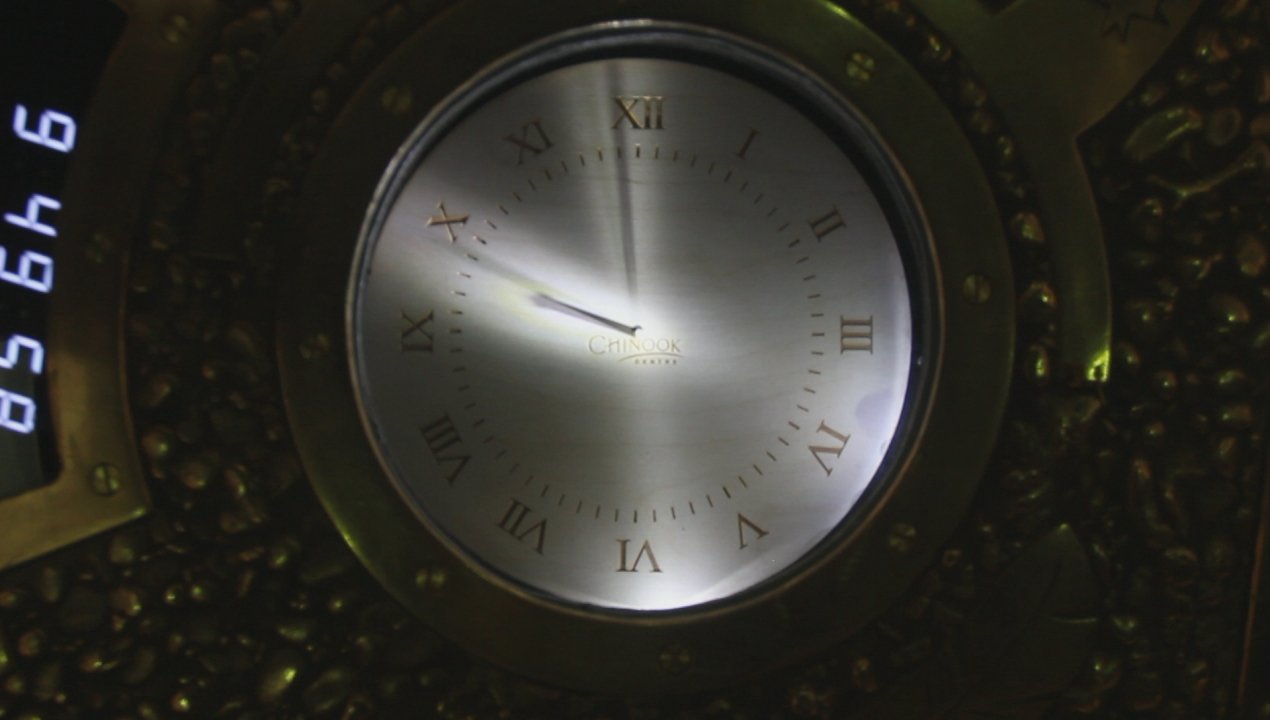
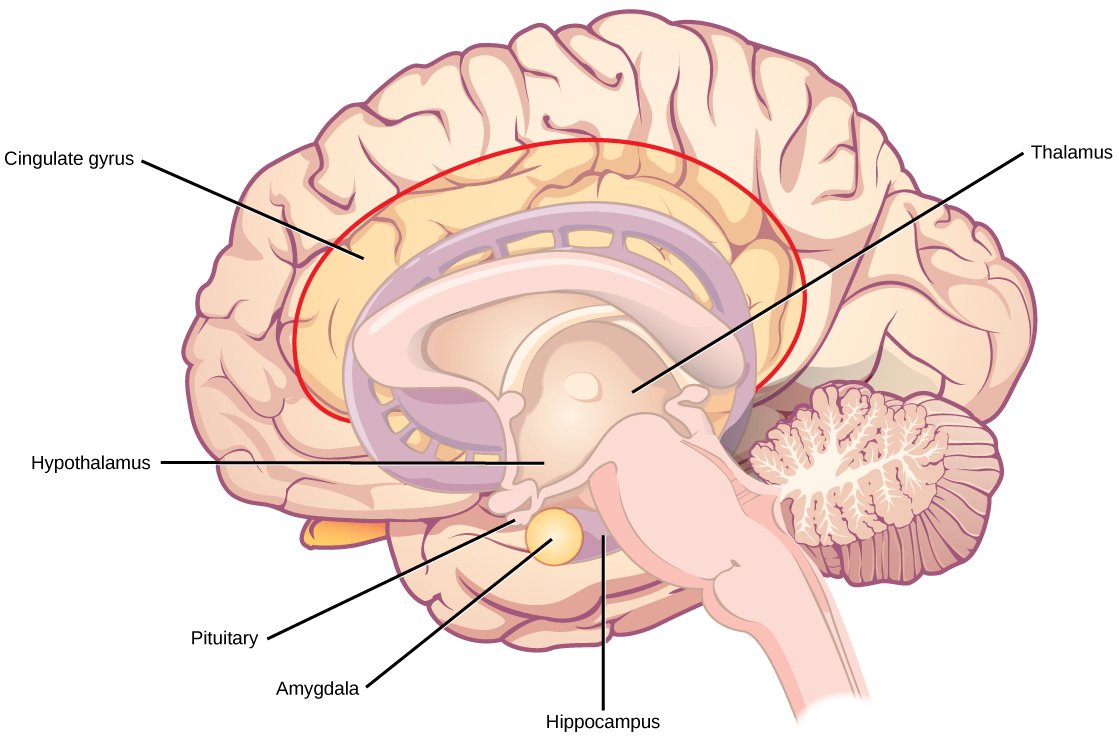
Images: clock in motion by Solarbotics (CC BY 2.0) and limbic-system diagram by CNX OpenStax (CC BY 4.0), via Wikimedia Commons.
References
- Stetson C, Fiesta MP, Eagleman DM. Does time really slow down during a frightening event? PLoS ONE. 2007;2(12):e1295.
- Arstila V. Time slows down during accidents. Frontiers in Psychology. 2012;3:196.
Every article is written in clear, jargon-free language and based on evidence from peer-reviewed research and established neuroscience references. We draw from review papers, textbooks, and leading scientific journals to explain complex topics accurately and accessibly. When important scientific evidence changes our understanding of a topic, we revise our content to reflect it.