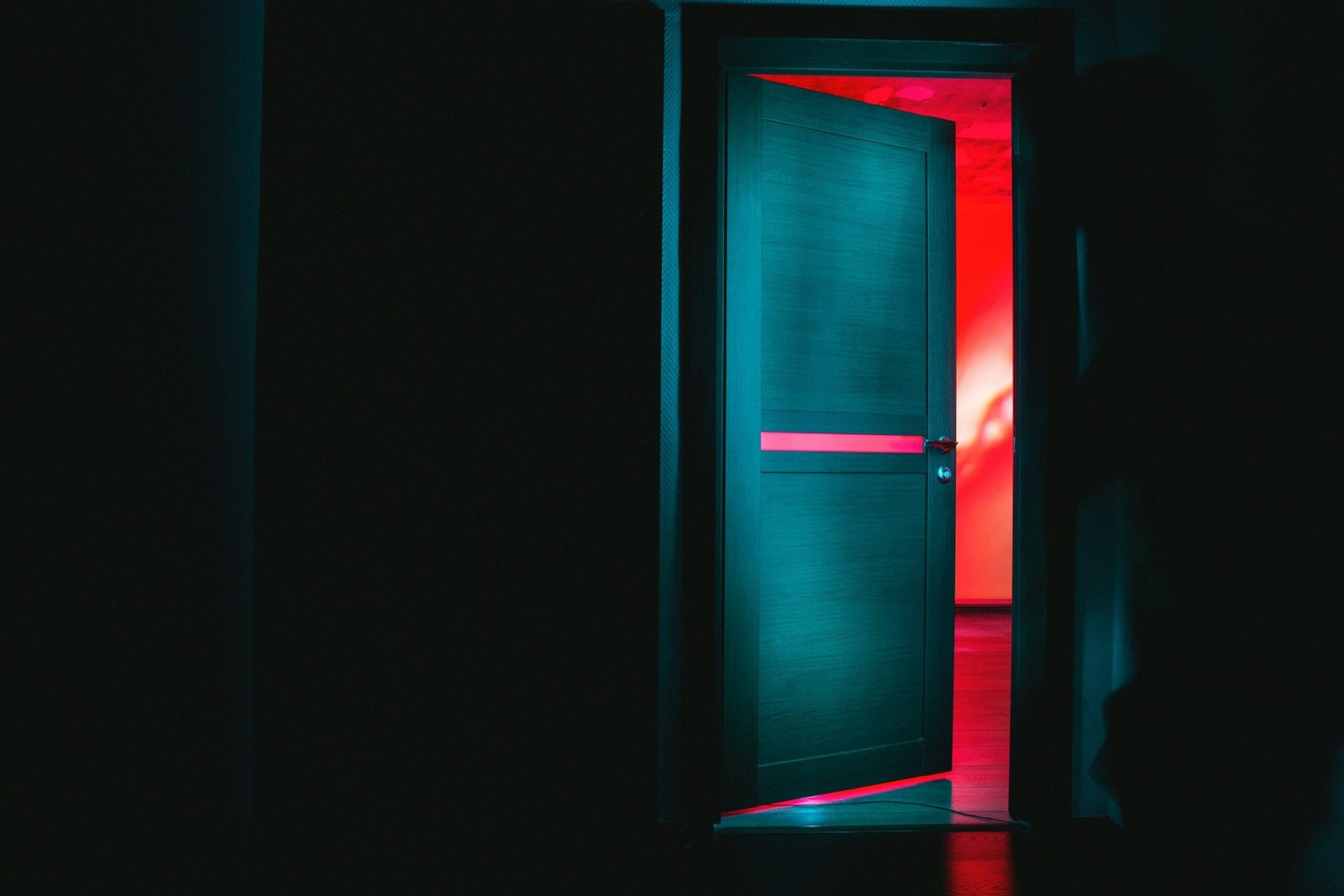
You march into the kitchen with clear purpose — and the instant you arrive, you have no idea why you came. You know you wanted something. It is gone. Walk back the way you came, and it often returns. This everyday blank is so reliable it has a name: the doorway effect.
It is not a sign of a failing memory. In fact, experiments show that simply passing through a doorway makes people worse at remembering what they just decided to do — even in a virtual room on a screen.
A chapter break for the mind
Psychologists call this an “event boundary.” The brain uses changes of place to slice experience into manageable episodes, updating its mental context as you move. That is usually helpful — but a just-formed intention is delicate, and the update can knock it loose.
How to beat it
The classic fix works because it works with your brain: go back to where you had the thought. Returning to the original room reloads the context, and the intention usually snaps back. Saying the plan out loud as you walk can also help keep it alive across the threshold.
You did not lose your mind at the door — your brain just turned the page.
It is one of many everyday quirks of memory and perception, alongside the eerie familiarity of déjà vu and the way time seems to speed up as you age. For more, this overview of the doorway effect is a good next step.
- The doorway effect is forgetting your intention as you pass into a new room.
- The brain uses doorways as “event boundaries” and updates its context.
- Returning to where you had the thought usually brings it back.
So the next time you arrive somewhere and blank, do not worry — you have simply met one of memory’s small, predictable quirks. Retrace your steps, and the plan will almost always be waiting for you where you left it.
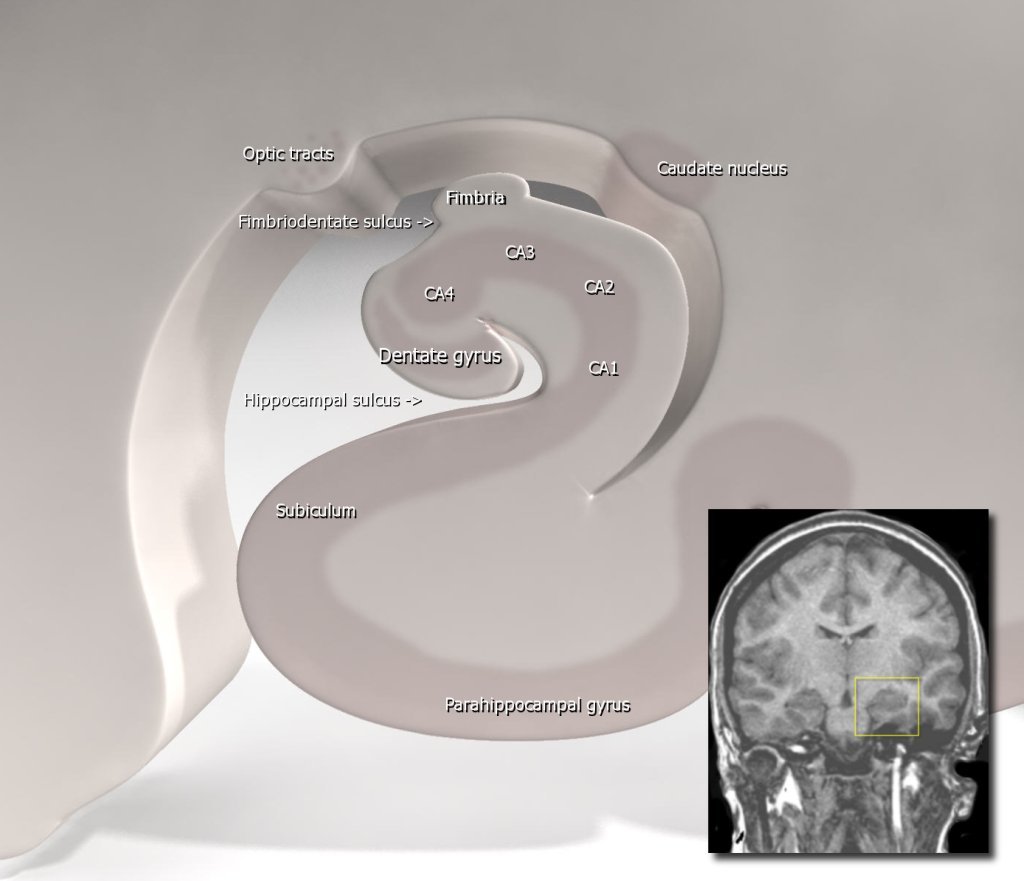
Images: open doorway (public domain) and hippocampus image by Frank Gaillard / Radiopaedia (CC BY-SA 3.0), via Wikimedia Commons.
References
- Radvansky GA, Copeland DE. Walking through doorways causes forgetting. Memory & Cognition. 2006;34(5):1150–1156.
- Radvansky GA, et al. Walking through doorways causes forgetting: environmental integration. Quarterly Journal of Experimental Psychology. 2011;64(8):1632–1645.
Every article is written in clear, jargon-free language and based on evidence from peer-reviewed research and established neuroscience references. We draw from review papers, textbooks, and leading scientific journals to explain complex topics accurately and accessibly. When important scientific evidence changes our understanding of a topic, we revise our content to reflect it.