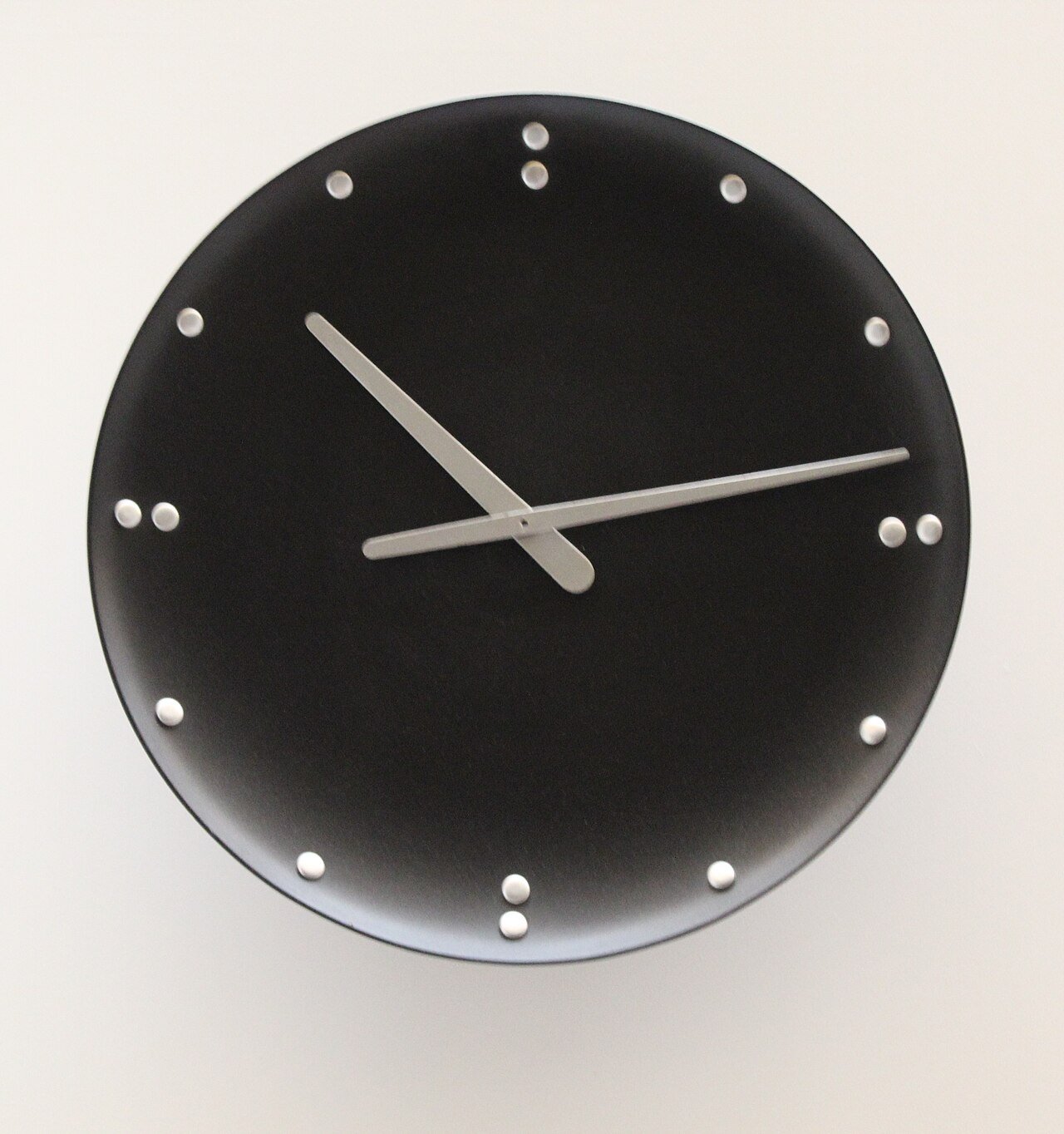
A man finishes his dinner but leaves everything on the left side of the plate untouched — not because he is full, but because, for him, the left side of the plate does not exist. He shaves only the right of his face and draws only the right half of a clock. His eyes are fine. Half of his world has simply vanished from his attention. This is hemispatial neglect.
Ask someone with neglect to copy a drawing and they may reproduce only the right half. Ask them to describe a room and they leave out everything on the left. Crucially, they are not aware anything is missing.
The half that isn’t missed
The strangest part is the lack of any sense of loss. A person who cannot see because their eyes fail knows something is wrong. A person with neglect does not, because the very system that would notice the gap is the one that is damaged. To them, the world is simply complete — and happens to have a right side only.
Why it matters
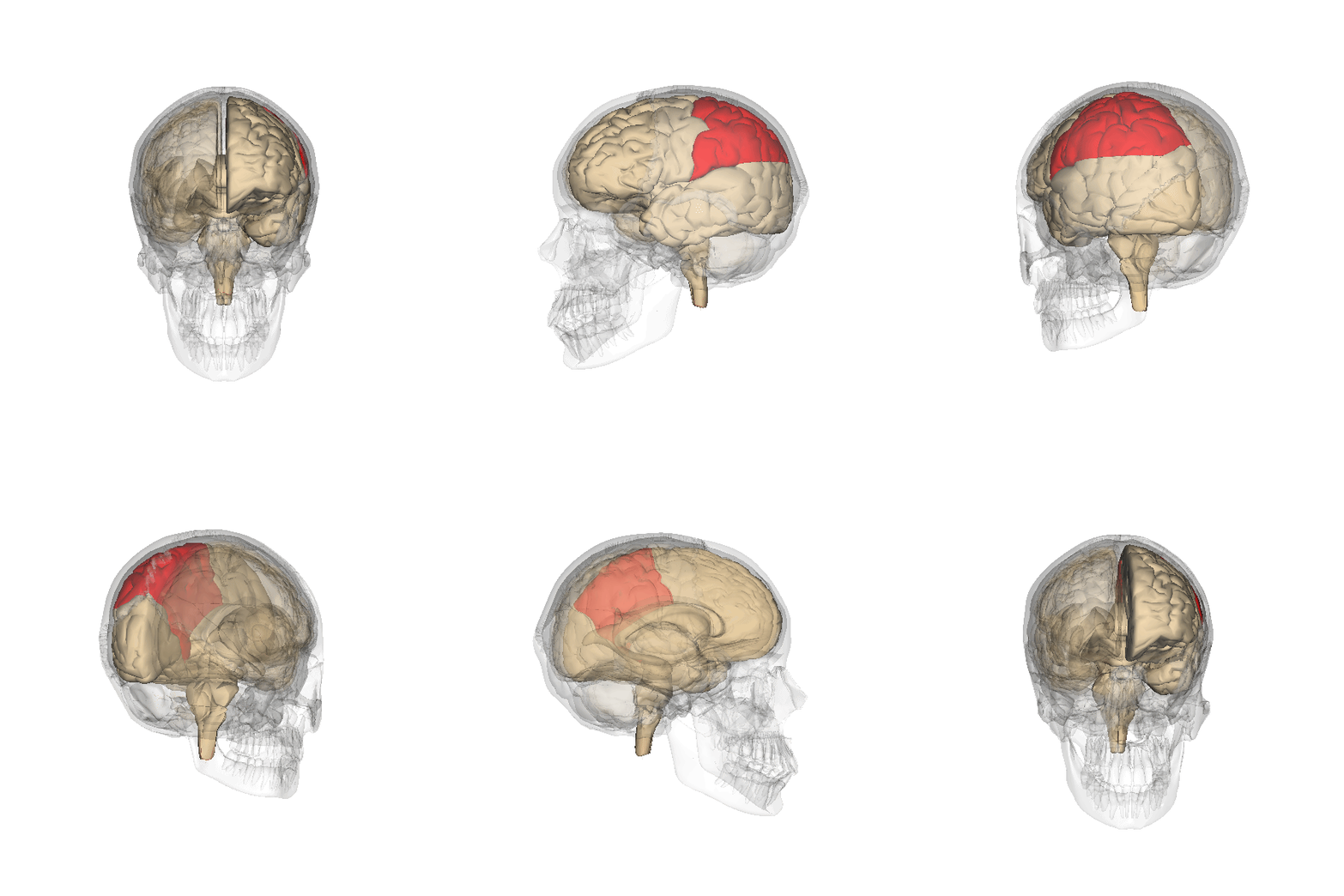
Neglect is one of the clearest proofs that our rich, complete-feeling picture of the world is built by attention, not simply delivered by the eyes. We only ever experience the slice the brain chooses to illuminate — we just never notice the rest is missing.
The left side of the world is still there. The spotlight that would notice it is not.
It is a close cousin of the way focused attention can hide an obvious event in the invisible gorilla, and of how the brain quietly edits perception in the McGurk effect. For more, this overview of hemispatial neglect is a good next step.
- Hemispatial neglect erases awareness of one side of space, usually the left.
- The eyes work fine; it is attention, not vision, that is lost.
- People often do not notice anything is missing at all.
Neglect can improve with time and therapy, and studying it has taught scientists a great deal about attention. But its deepest lesson is humbling: the seamless world each of us seems to see is only ever the part our brain has chosen to notice.
Images: wall clock by 14GTR (CC0) and parietal-lobe diagram by Anatomography (CC BY-SA 2.1 JP), via Wikimedia Commons.
References
- Driver J, Mattingley JB. Parietal neglect and visual awareness. Nature Neuroscience. 1998;1(1):17–22.
- Corbetta M, Shulman GL. Spatial neglect and attention networks. Annual Review of Neuroscience. 2011;34:569–599.
Every article is written in clear, jargon-free language and based on evidence from peer-reviewed research and established neuroscience references. We draw from review papers, textbooks, and leading scientific journals to explain complex topics accurately and accessibly. When important scientific evidence changes our understanding of a topic, we revise our content to reflect it.