Think of the most frightened you have ever been — a car swerving toward you, a horror film at midnight, a hand grabbing your shoulder in the dark. Now imagine none of it landed. No pounding heart, no urge to run, nothing at all. For one woman known to science only as “S.M.”, that is simply how life works. She has been held at knifepoint and at gunpoint and walked away calm. She cannot feel fear.
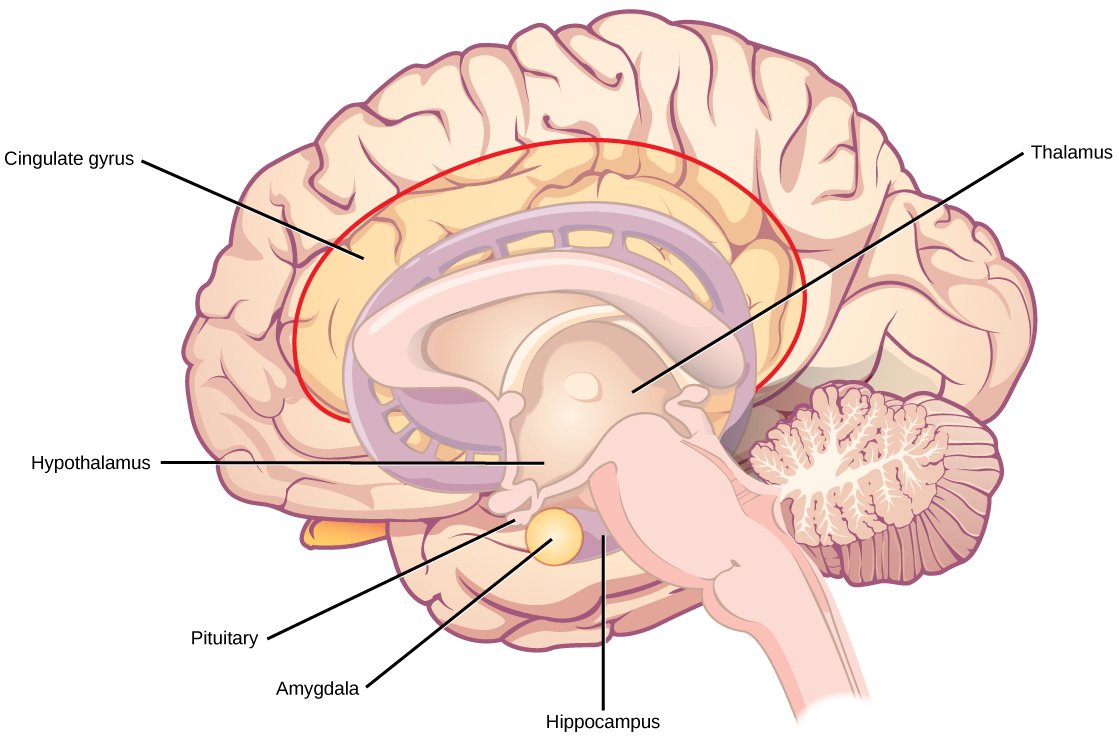
S.M. was born in the 1960s and grew up much like anyone else — until a rare genetic condition called Urbach–Wiethe disease slowly changed her brain.
That last detail is exactly why she matters so much to science. Her memory, language and intelligence all work normally. Only the alarm system is gone — so whatever changed in her points straight at what the amygdala does for the rest of us.
The scientists who tried to scare her
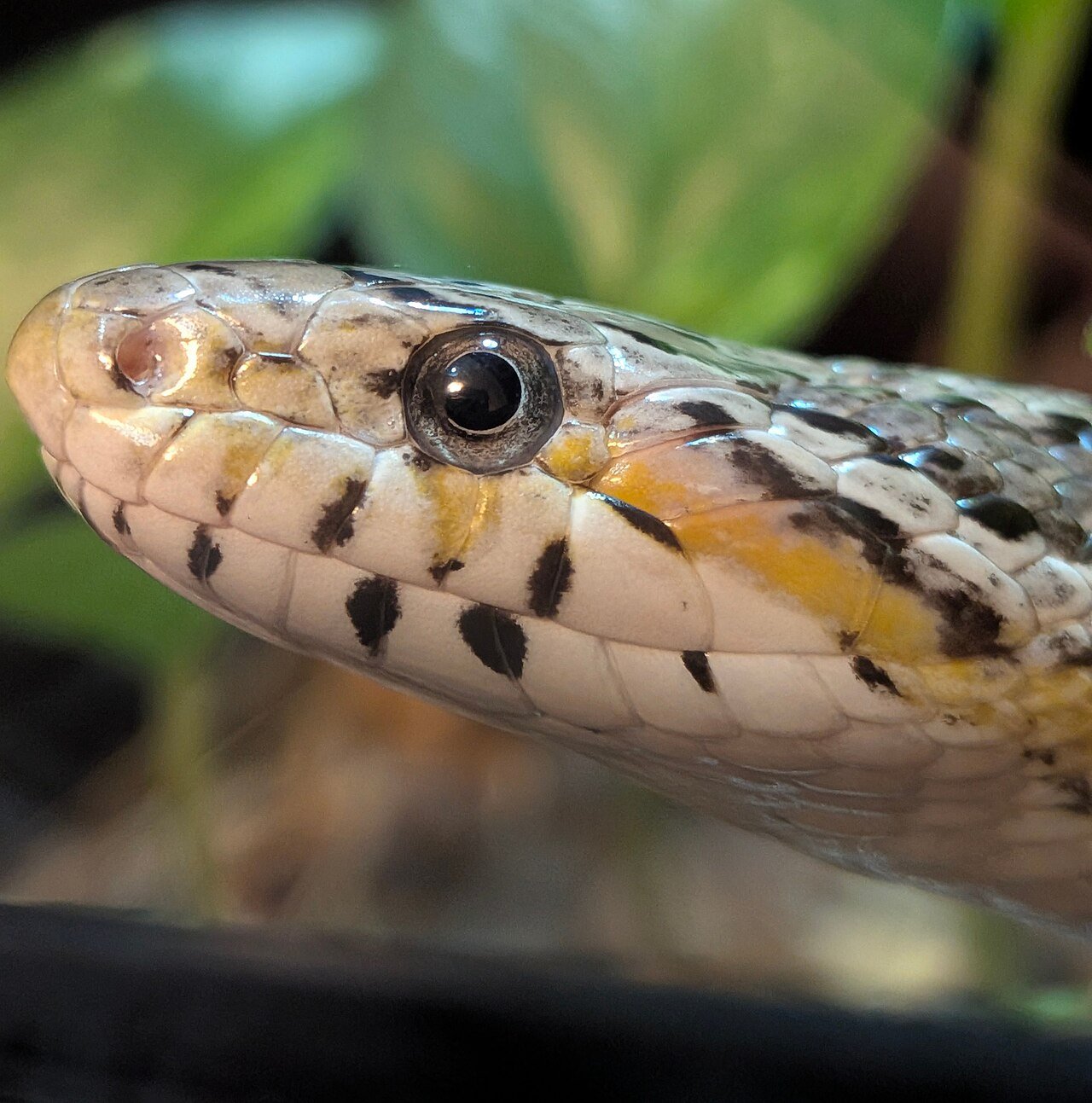
Over more than twenty years, researchers at the University of Iowa did something that sounds almost like a comedy sketch: they tried, again and again, to frighten her. They took her to an exotic pet store full of snakes and spiders — she wanted to touch and hold them, curious rather than scared. They walked her through one of the most notorious haunted “scare” attractions in the country — she led the group, laughing, and at one point startled a costumed actor. They showed her clip after clip of classic horror films — she found them interesting, never frightening.
Real danger — and still no fear
This was never just about spiders and scary films. S.M. had been mugged, threatened with a knife and with a gun, and once nearly killed. In one attack a man pulled her close with a blade at her throat. Most people would freeze or run; she stayed strangely composed and later described feeling no panic at all. Her missing fear even put her back in harm’s way, because the ordinary caution that steers us away from danger was gone too.
Fear keeps us alive by making us avoid what once hurt us. S.M. shows what happens when that quiet guardian falls silent.
The twist: one fear she could still feel
For years S.M. looked like living proof that the amygdala is the seat of all fear. Then, in 2013, scientists found a crack in that story. They had her breathe air containing a high dose of carbon dioxide — a harmless test that briefly makes the body feel like it is suffocating. To everyone’s astonishment, S.M. panicked. She gasped, clawed at her mask, her heart raced — and for the first time in decades, she was afraid.
In other words, fear is not one single thing run by one single part of the brain. Danger from the outside world and alarm from inside the body travel different roads. S.M. had lost one road completely — yet the other still worked perfectly.
Why her case matters
S.M.’s brain turned a slippery question — where does fear come from? — into something scientists could measure. Her case anchored the amygdala as the brain’s threat detector and reshaped how doctors think about conditions where that alarm misfires, from post-traumatic stress to anxiety and panic disorders.
She sits alongside other single patients who quietly rewrote the textbooks — like Phineas Gage, whose personality changed after an iron rod pierced his brain, and H.M., whose surgery revealed how memory is built. And if you have ever felt a sudden, automatic surge of anger at a small sound, the same alarm system plays a part in misophonia.
- A rare disease destroyed both of S.M.’s amygdalae, the brain’s almond-shaped alarm system.
- She felt no fear of snakes, horror films, haunted houses, or even real-life attacks.
- Yet inhaling carbon dioxide still made her panic — proof that fear runs on more than one brain circuit.
S.M. still lives a quiet life, known to the world only by her initials. Her story is a strange gift to the rest of us: by losing her fear, she showed exactly how much that uncomfortable feeling does to keep us safe — and just how carefully the brain is built to protect us.
Images: corn-snake close-up by EthanPo (CC0) and limbic-system diagram by CNX OpenStax (CC BY 4.0), via Wikimedia Commons.
References
- Feinstein JS, Adolphs R, Damasio A, Tranel D. The human amygdala and the induction and experience of fear. Current Biology. 2011;21(1):34–38.
- Feinstein JS, Buzza C, Hurlemann R, et al. Fear and panic in humans with bilateral amygdala damage. Nature Neuroscience. 2013;16(3):270–272.
- Adolphs R, Tranel D, Damasio H, Damasio A. Impaired recognition of emotion in facial expressions following bilateral damage to the human amygdala. Nature. 1994;372(6507):669–672.
Every article is written in clear, jargon-free language and based on evidence from peer-reviewed research and established neuroscience references. We draw from review papers, textbooks, and leading scientific journals to explain complex topics accurately and accessibly. When important scientific evidence changes our understanding of a topic, we revise our content to reflect it.