
You take too big a bite of ice cream on a hot day and — there it is — a sudden, stabbing ache behind your forehead. A few seconds later it is gone. Almost everyone has felt it. But why does something cold in your mouth cause pain in your head?
The pain is real, but it is in the wrong place. Nothing is actually hurting in your forehead at all — the trouble is happening at the roof of your mouth.
Pain in the wrong place
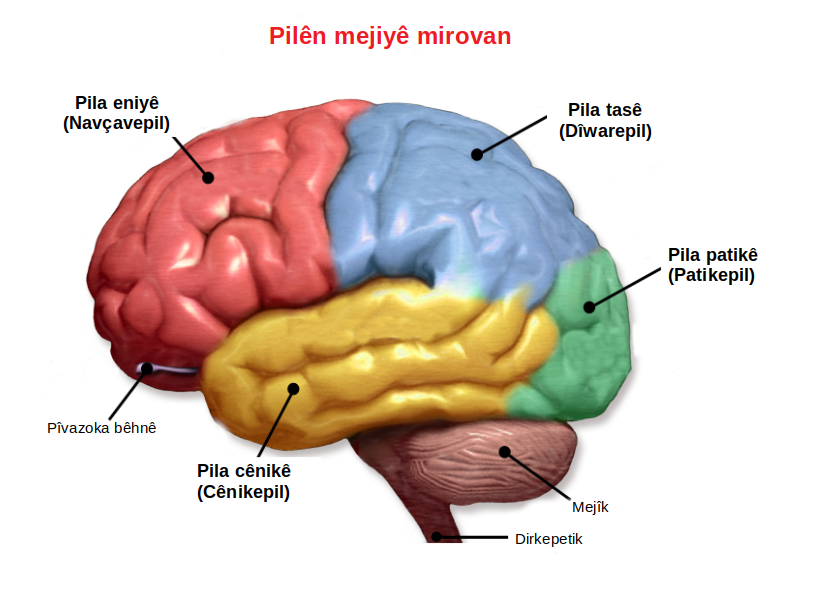
When cold hits the palate, blood vessels there quickly narrow and then widen again. The trigeminal nerve registers this sudden change — but because it also serves the face, the brain gets confused about the source and reports the ache higher up. It is a small case of mistaken identity inside your own head.
How to stop it fast
Because the whole thing is driven by cold on the palate, the cure is warmth. Press your tongue flat against the roof of your mouth, or sip a warm drink. Slowing down and letting cold food warm slightly before swallowing prevents it in the first place.
Nothing is wrong with your forehead. Your brain is simply pointing at the wrong spot.
Brain freeze is one of many everyday quirks where the body’s wiring surprises us, like the shiver of frisson or the reflex of a contagious yawn. For more, this overview of cold-stimulus headache is a good next step.
- Brain freeze is a cold-stimulus headache triggered at the roof of the mouth.
- The trigeminal nerve “refers” the pain to the forehead.
- Warming the palate with your tongue or a warm drink stops it fast.
So the next ache from an icy treat is nothing to worry about — just your nervous system getting its wires briefly crossed. Eat a little slower, keep your tongue handy, and the summer’s ice cream is all yours.
Images: ice cream cone by Valerie Everett (CC BY-SA 2.0) and brain diagram by BruceBlaus (CC BY 3.0), via Wikimedia Commons.
References
- Hulihan J. Ice cream headache. BMJ. 1997;314(7091):1364.
- Mages S, et al. Experimental provocation of ‘ice-cream headache’ by ice cubes and ice water. Cephalalgia. 2017;37(5):464–469.
Every article is written in clear, jargon-free language and based on evidence from peer-reviewed research and established neuroscience references. We draw from review papers, textbooks, and leading scientific journals to explain complex topics accurately and accessibly. When important scientific evidence changes our understanding of a topic, we revise our content to reflect it.