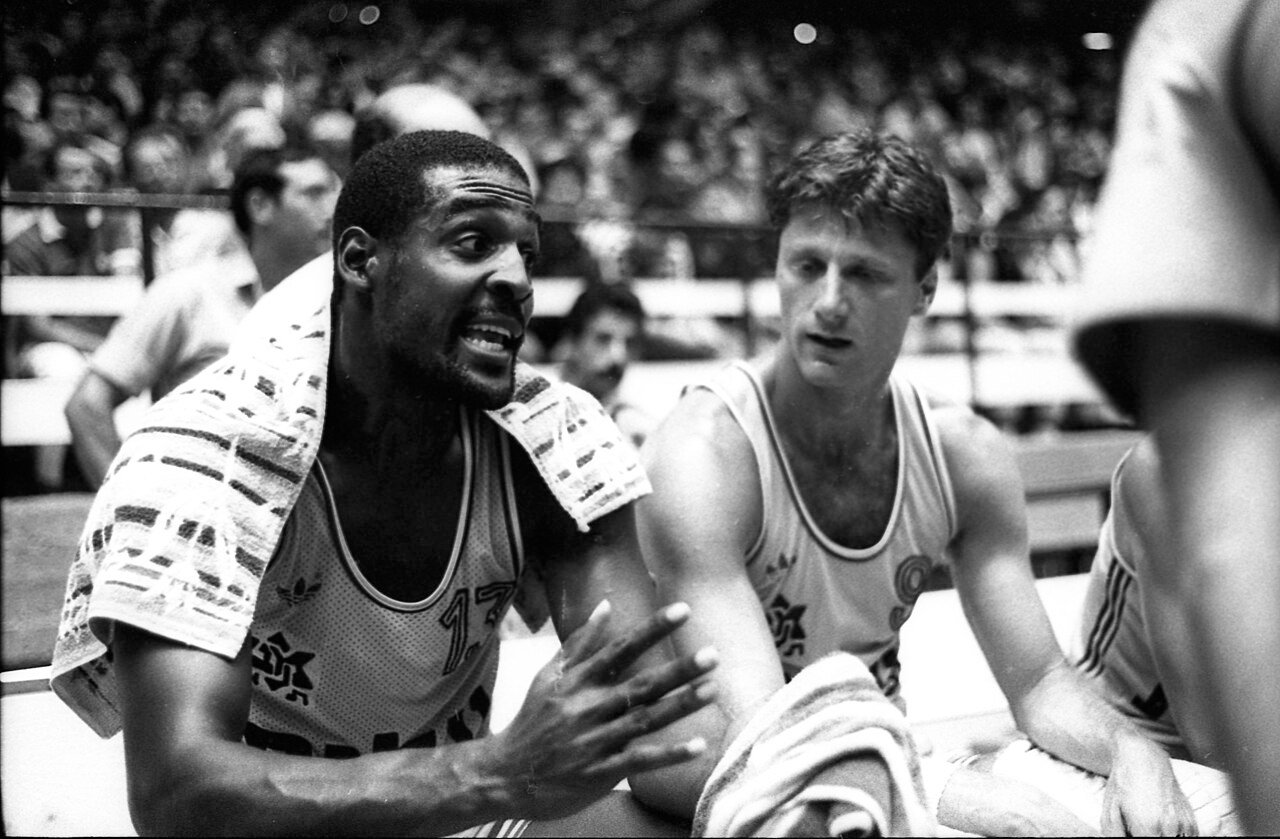
Watch a group of people pass a basketball around and count how many passes the players in white make. Simple enough. But halfway through, a person in a full gorilla suit strolls into the middle of the group, turns to the camera, thumps their chest, and walks off. Here is the strange part: about half of all viewers never see the gorilla at all.
The setup was deliberately ordinary. Volunteers watched a short video of two teams — one in white shirts, one in black — weaving around each other and passing basketballs. Their only job was to silently count how many times the white team passed the ball.
The gorilla nobody saw
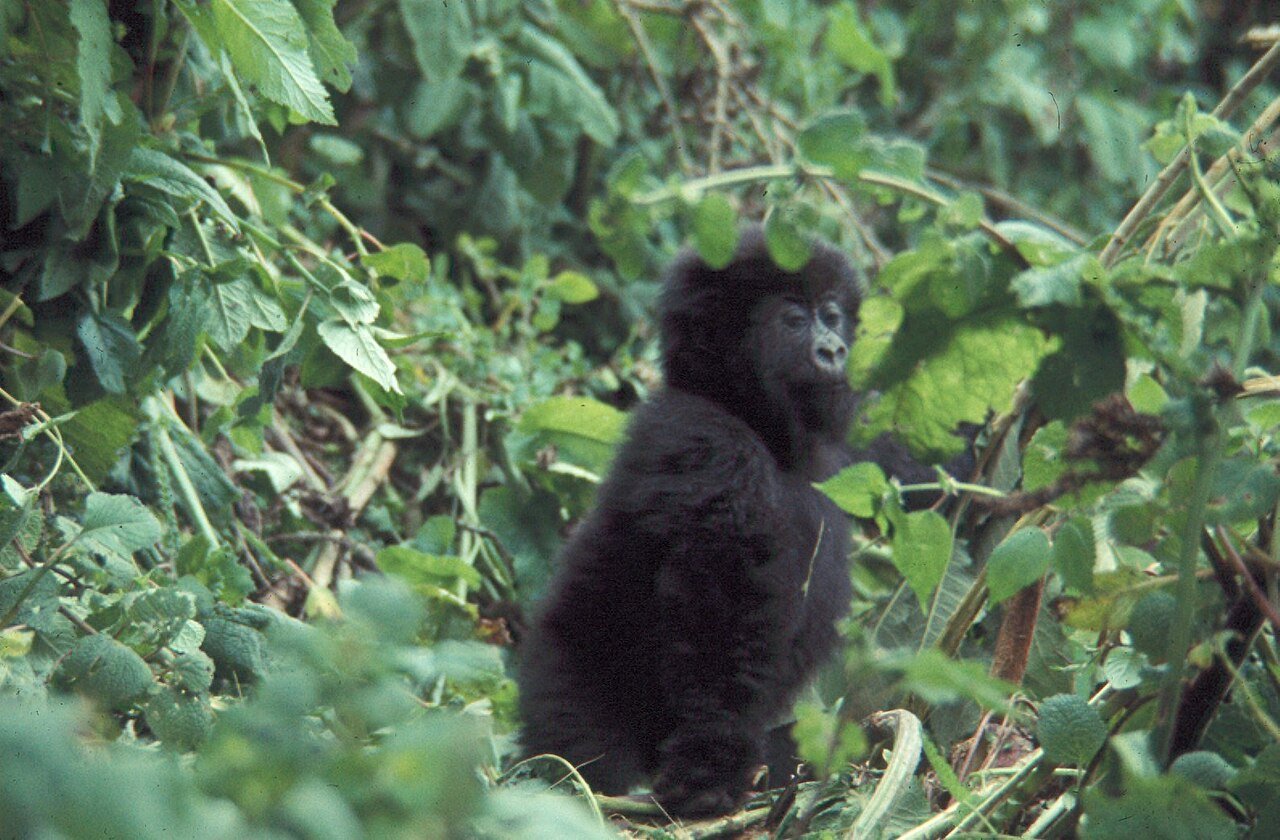
Around nine seconds into the clip, a person in a gorilla suit walks into the middle of the players, faces the camera, beats their chest, and strolls off the other side. They are in full view for roughly five seconds — impossible to miss, you would think. Yet when Simons and Chabris asked afterwards, about half the viewers had no idea a gorilla had ever appeared. Many flatly refused to believe it until they watched the clip a second time.
Why your brain does this
It feels impossible because we assume our eyes work like a camera, faithfully recording everything in view. They do not. Your brain is flooded with far more information than it could ever process, so attention ruthlessly filters it — keeping what matters for the task and quietly discarding the rest. The gorilla’s image reached the viewers’ eyes perfectly well. It simply never made it into conscious awareness.
We do not really see with our eyes. We see with our attention — and attention has a narrow beam.
Why it matters off the screen
This is far more than a party trick. Inattentional blindness explains real and sometimes dangerous moments: a driver glancing at their phone who never sees the motorcyclist, a radiologist locked onto one detail who misses another, a witness who genuinely did not notice something in plain sight. The experiment carries a humbling twist, too — we are usually blind to our own blindness, certain we would have spotted the gorilla when the odds say we might not.
It points to a bigger theme across neuroscience: how much of what we experience is built, edited and filtered by the brain rather than simply recorded. The same lesson shows up when your eyes overrule your ears in the McGurk effect, when your brain begins an action a beat before you feel you decided in Libet’s experiment, and when it can be fooled into owning a fake limb in the rubber hand illusion. For the wider picture, this overview of inattentional blindness is a good next step.
- Simons and Chabris (1999) asked viewers to count basketball passes while a gorilla walked through the scene.
- About half never noticed the gorilla — an effect called inattentional blindness.
- Intense focus filters out even obvious things, with real consequences for driving, medicine and eyewitness memory.
The next time you are certain you would have noticed something obvious, remember the gorilla. Our sense of seeing “everything” in front of us is one of the brain’s most convincing illusions — and realising that is the first step toward paying attention on purpose.
Images: basketball game by Efi Sharir (CC BY 4.0) and western lowland gorilla by Warren Garst (CC BY-SA 4.0), via Wikimedia Commons.
References
- Simons DJ, Chabris CF. Gorillas in our midst: sustained inattentional blindness for dynamic events. Perception. 1999;28(9):1059–1074.
- Mack A, Rock I. Inattentional Blindness. Cambridge, MA: MIT Press; 1998.
- Drew T, Võ MLH, Wolfe JM. The invisible gorilla strikes again: sustained inattentional blindness in expert observers. Psychological Science. 2013;24(9):1848–1853.
Every article is written in clear, jargon-free language and based on evidence from peer-reviewed research and established neuroscience references. We draw from review papers, textbooks, and leading scientific journals to explain complex topics accurately and accessibly. When important scientific evidence changes our understanding of a topic, we revise our content to reflect it.