Every day, for more than thirty years, one man has woken up feeling like he has just come alive for the very first time. He greets his wife as if he hasn’t seen her in years — even if she only left the room to make tea. His name is Clive Wearing, and he has what may be the most severe case of memory loss ever recorded.
Clive Wearing was a gifted British musician — a conductor and expert on early music. Then, in March 1985, he caught a common virus that usually causes nothing worse than a cold sore. In rare cases it spreads to the brain, and in his case it did.
A memory that lasts only seconds
With the save button gone, nothing new ever gets stored. Clive lives inside a window of about 7 to 30 seconds. Beyond that, the slate is wiped clean. He keeps a diary, and the pages are heartbreaking: line after line reads “Now I am awake” or “Now I am truly conscious” — each one crossed out and rewritten minutes later, because every moment feels like the first time he has ever woken up.
a word, a face, a tune
short-term memory
never saved

Two kinds of memory — and only one broke
Here is the twist that makes Clive’s story so important to science. The virus wrecked his memory for facts and events — where he is, what he did five minutes ago, who visited yesterday. But it left another kind of memory almost untouched.
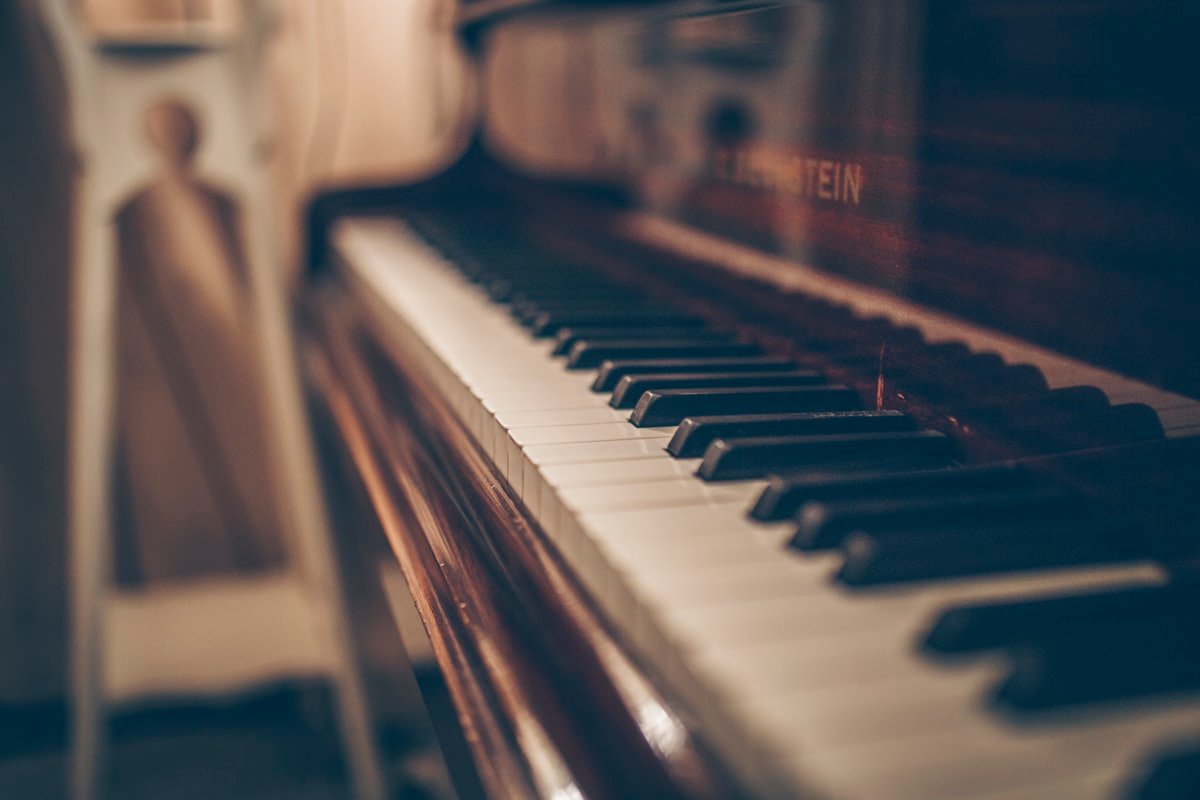
So when Clive sits at a piano, his hands remember everything. He can read a score, conduct a choir, and play with feeling — even though seconds after he finishes, he has no memory of having played at all. His love for his wife, Deborah, survives too: he lights up with joy every single time he sees her, as though she has just returned from a long journey.
The man who cannot remember anything still remembers how to love, and how to make music.
Why this one patient changed brain science
Cases like Clive’s (and the famous patient H.M., who also lost the ability to make new memories) proved that memory isn’t one single thing stored in one place. It’s many separate systems, run by different brain regions. Damage one, and the others can keep working perfectly.
That insight shapes how doctors help people today — from stroke recovery to amnesia and dementia care. It also reframes a hard question: if you lose your memories, are you still you? Clive’s enduring love and music suggest that a huge part of who we are lives somewhere deeper than the diary of daily events. For a related puzzle of memory and familiarity, see our piece on déjà vu.
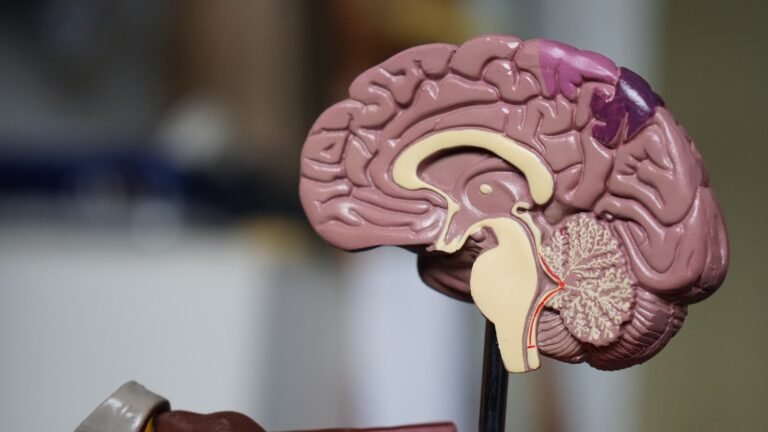
- A cold-sore virus reached Clive’s brain and destroyed his memory “save button” (the hippocampus).
- He can hold a new memory for only about 7–30 seconds.
- Skills (piano) and deep emotional bonds (love) survived — because they use different memory systems.
Clive Wearing is still alive, still greeting each moment as brand new — a living reminder that memory is not one thing, but many, and that some of the deepest parts of us are written in a place no illness can quite reach.
References
- Wilson BA, Baddeley AD, Kapur N. Dense amnesia in a professional musician following herpes simplex virus encephalitis. Journal of Clinical and Experimental Neuropsychology. 1995;17(5):668–681.
- Sacks O. The Abyss: Music and amnesia. The New Yorker. 2007.
- Wearing D. Forever Today: A Memoir of Love and Amnesia. Doubleday; 2005.
Every article is written in clear, jargon-free language and based on evidence from peer-reviewed research and established neuroscience references. We draw from review papers, textbooks, and leading scientific journals to explain complex topics accurately and accessibly. When important scientific evidence changes our understanding of a topic, we revise our content to reflect it.