Physical Address
304 North Cardinal St.
Dorchester Center, MA 02124
Physical Address
304 North Cardinal St.
Dorchester Center, MA 02124

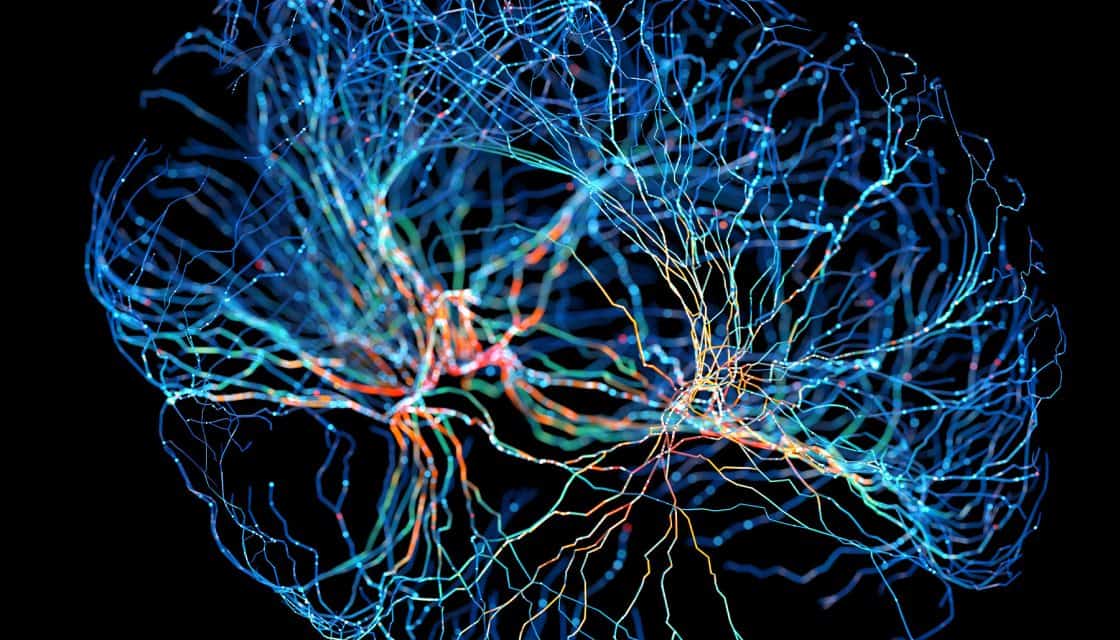
For many years, scientists believed the adult brain could not change. Modern research has demonstrated the opposite: the brain can reorganize itself, strengthen new pathways, and recover essential functions after injury.
“The brain is not a static organ. It is a living system in constant negotiation with experience.”
— Dr. Norman Doidge
Neuroplasticity has become one of the most influential concepts in modern neuroscience.
It refers to the brain’s ability to modify its internal structure, reorganize its networks, and form new connections in response to learning, experience, or injury.
For much of the twentieth century, scientists believed that the adult brain was largely fixed and could not significantly change after early childhood. Over the past several decades, research has demonstrated that this assumption was incorrect and that the brain remains adaptable throughout life.
The shift in understanding began with studies on stroke patients and individuals recovering from traumatic brain injuries. Many patients who lost movement or language abilities later regained them through targeted rehabilitation. Brain-imaging techniques showed that undamaged areas gradually learned to perform the functions originally controlled by the injured regions. This discovery revealed that the brain can reorganize itself to support essential abilities even after significant damage.
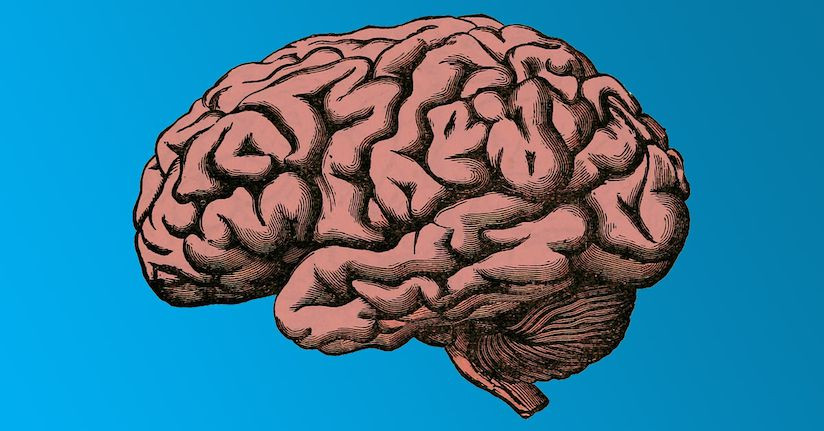
One of the clearest demonstrations of neuroplasticity appears in children who undergo hemispherectomy surgery to treat severe, life-threatening epilepsy. Although the procedure removes an entire hemisphere of the brain, many of these children eventually recover speech, movement, and learning skills. Their remaining hemisphere strengthens its internal networks and assumes responsibilities once managed by the removed half. This outcome illustrates the extraordinary capacity of the developing brain to form new pathways under demanding circumstances.
“Every skill we practice reshapes the brain. Every experience leaves a trace.”
The same principles operate in everyday life, although in a subtler form. When a person practices a skill—whether learning a language, playing an instrument, or solving mathematical problems—the neural circuits involved become more efficient. Repeated practice reinforces these pathways, while unused connections gradually weaken. This mechanism explains how habits form, why consistent practice leads to improvement, and how individuals continue learning across their lifespan.
Neuroplasticity has also become a guiding idea in the development of new medical and technological therapies. Researchers are exploring ways to enhance the brain’s adaptability using electrical stimulation, intensive cognitive training, and AI-supported rehabilitation tools.
These approaches aim to accelerate recovery after neurological injury and to improve learning outcomes for people of all ages. Future treatments may rely on guiding plasticity deliberately rather than waiting for it to occur naturally.
The discovery of neuroplasticity has reshaped how experts understand the brain and its potential.
It has influenced medical practice, education, and psychological therapy, and it continues to inspire new directions in scientific research. By recognizing the brain as a dynamic and flexible system, scientists have opened the door to new possibilities for healing, growth, and lifelong learning. This evolving understanding represents one of the most promising developments in the study of the human mind.
“The brain’s ability to change is its most human feature, and perhaps its greatest strength.”