Your brain treats dream memories differently from waking ones — here’s the chemistry that erases them within minutes.
It’s one of those questions that sounds simple until you try to answer it honestly. For years the textbooks offered tidy explanations; the real picture, as researchers have kept discovering, is more interesting and a little messier. That’s the version we’re going to tell you here.
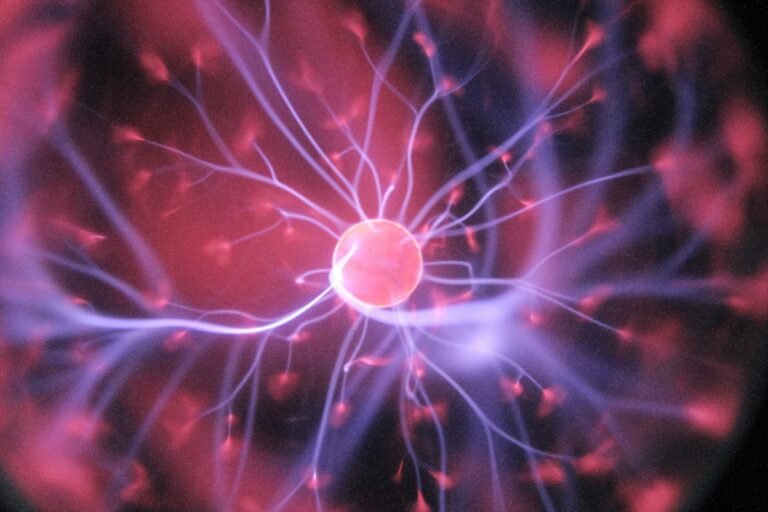
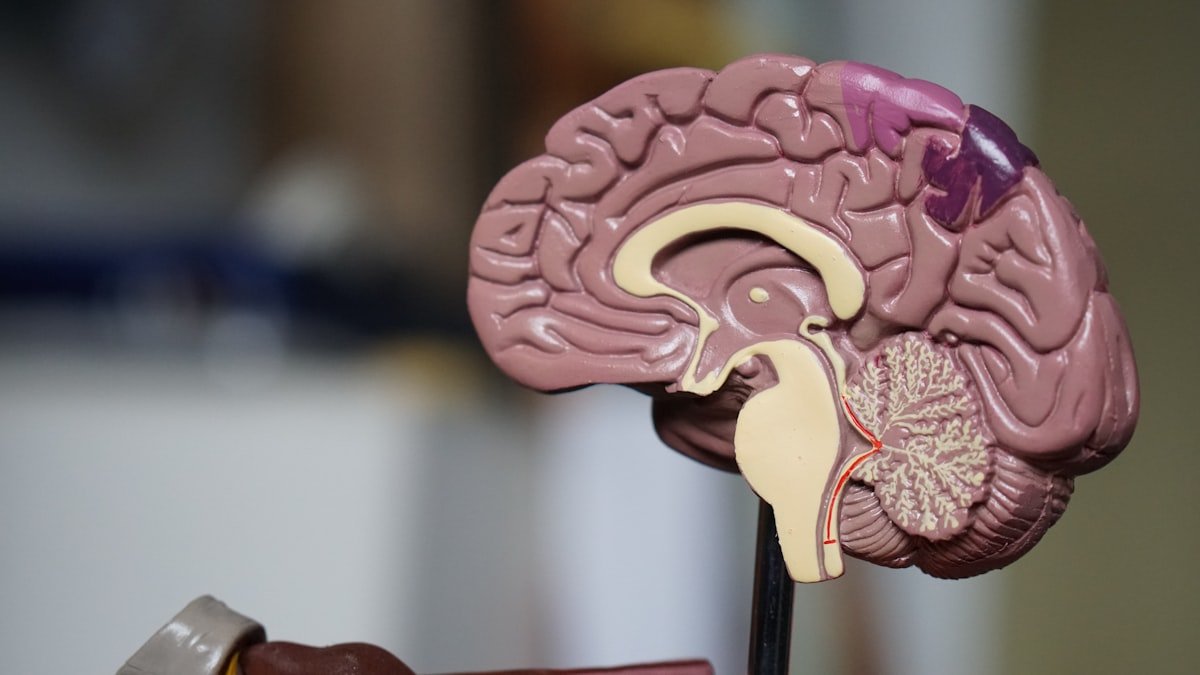
Start with the hardware. Your brain runs on roughly 86 billion neurons — cells that pass signals to one another across tiny gaps called synapses, using a mix of electrical pulses and chemical messengers. Nothing you experience, from a fleeting mood to a decades-old memory, happens without a specific pattern of these cells firing in concert.

What the evidence actually shows
Claims about the brain are only as good as the methods behind them. Three kinds of evidence tend to converge here: brain-imaging studies that watch activity in living, thinking people; careful behavioural experiments that isolate one variable at a time; and the sobering natural experiments of neurology — cases where injury changes one part of the system and reveals what it was quietly doing all along.
When those independent lines of evidence point the same way, we can be reasonably confident. The brain behaves less like a passive recorder and more like an active, prediction-driven organ that is constantly building a working model of the world and updating it against what actually happens.
Much of what you experience as “reality” is your brain’s best prediction, corrected on the fly — not a raw feed from your senses.
Where the science is still uncertain
Good science writing shouldn’t pretend the story is finished. Some details here are genuinely debated — the exact circuits involved, how much varies from person to person, and how findings from the lab translate to messy everyday life. We’ll flag that uncertainty rather than paper over it.

Why it matters for you
This isn’t only trivia for pub quizzes. Understanding how your brain works quietly changes how you relate to your own mind — why some habits stick, why certain thoughts loop, why a good night’s sleep can rebuild your ability to think clearly.
- Your brain is plastic — it physically rewires with experience, at every age.
- Perception is construction, not passive recording.
- Small, repeated actions reshape neural pathways far more than rare heroic efforts.
If a question is still nagging at you after reading this, that’s a good sign — it usually means the topic is deeper than one article can hold. That’s what the rest of the platform is for.
References
- Kandel ER, et al. Principles of Neural Science. 6th ed. McGraw-Hill; 2021.
- Bear MF, Connors BW, Paradiso MA. Neuroscience: Exploring the Brain. 4th ed. Wolters Kluwer; 2016.
- Purves D, et al. Neuroscience. 6th ed. Oxford University Press; 2018.
Every article is written in clear, jargon-free language and based on evidence from peer-reviewed research and established neuroscience references. We draw from review papers, textbooks, and leading scientific journals to explain complex topics accurately and accessibly. When important scientific evidence changes our understanding of a topic, we revise our content to reflect it.